See our current gallery of student work: The Legacy of Cesar Chavez: Chicago students gather immigrant stories “HOME?”: Teen refugees and immigrants explore their Tucson through photos and essays Maine students document the human rights stories of local immigrants
|
|
See also: Immigrant Students Use Cartoons to Share Their Journeys—an incredible project and book by students at Oakland International High School, Oakland, CA |
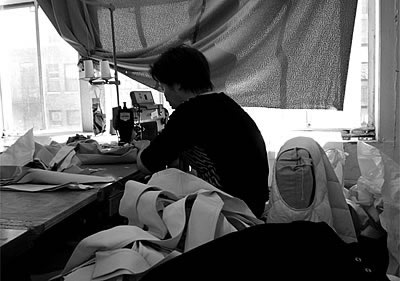
PROVIDENCE, RI—Immigration issues continue to fire up debate across America, including how to streamline a heavily bureaucratic visa application process and address the millions of undocumented immigrants already in the United States—particularly young people brought here by their parents. The debate plays out locally as much as nationally (fiercely in border states like Arizona). Almost every community in the nation has become a home to new immigrants, with the promise and challenges they bring.
One of the best ways to engage students in this critical debate, we believe, is to have them gather the stories (and images) of immigrants near at hand. Your students can bring back powerful interviews if they venture into their communities to talk to immigrants they meet or know about their experiences.
WKCD learned this, when we coached and then published such work by New York City students in our photo essay book Forty-Cent Tip: Stories of New York City Immigrant Workers.
Here we are offer you a look at our coaching guidelines—and a chance to be published—in the hope that you will try the project, too!
Work like this sparks students’ learning in many ways:
- They practice their communication and literacy skills. You’ll coach students to come up with good questions, teach them how to transcribe their interviews carefully, and then shape them into compelling first-person essays. If they can take photographs as well, the arts add another dimension.
- Their understanding grows about the historical, political, and cultural issues behind immigration issues. Linking real people’s stories with the debate on policy makes it come alive, as they think the issues through for themselves.
- Their active, hands-on work forges connections with the community. Respect grows on both sides as youth and adults witness each other’s strengths.
- They see their work published for a larger audience. Send their best work to WKCD, and we will make it public here on WKCD.org. For an example of how this might look, click here to see a feature story WKCD recently published of immigrant interviews and photos from students in Casco, Maine.
WKCD offers the following resources to help with your project:
Download our manual for teachers and students.
See a flip book version of Forty-Cent Tip .
Read a review of Forty-Cent Tip in News Photographer, the magazine of the National Press Photographers Association.
Contact us if you have additional questions about how to make this project happen in your school or community.
We look forward to hearing from you, and to publishing the inspiring work produced by your students, wherever you may be. If you already have immigrant stories collected by your students that you’d like us to see and perhaps publish online, please send them to info@whatkidscando.org.